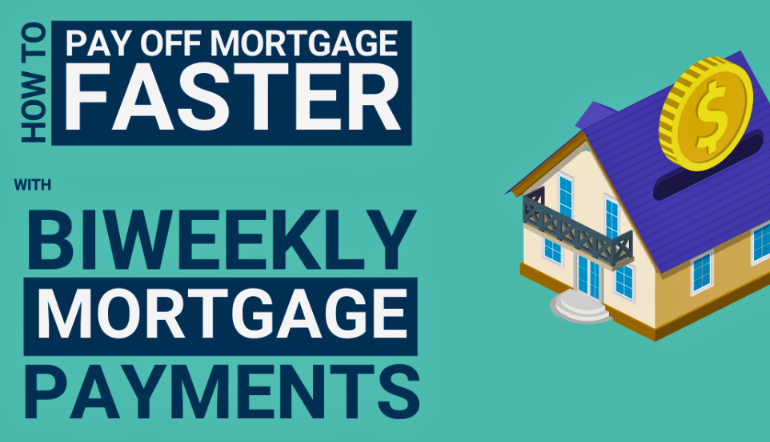
Many homeowners are surprised to learn that a small change in how they make their mortgage payment may potentially save thousands of dollars over time.
One of the most common strategies people hear about is:
Bi-weekly mortgage payments.
But what does that actually mean?
And does it really help?
The answer is:
In many situations, yes.
If structured correctly, bi-weekly payments may help homeowners:
- Pay off their mortgage faster
- Reduce total interest paid over time
- Build equity quicker
- Potentially save thousands over the life of the loan
However, there are also important details homeowners should understand before switching payment strategies.
What Is a Bi-Weekly Mortgage Payment?
Most homeowners make:
One full mortgage payment per month.
With a bi-weekly payment strategy, instead of making one monthly payment, you make:
Half of your mortgage payment every two weeks.
At first glance, many people think:
“That is basically the same thing.”
But mathematically, it is not.
Why?
Because there are:
52 weeks in a year.
That means:
26 bi-weekly half-payments.
Which equals:
13 full mortgage payments per year instead of 12.
That extra payment each year is what creates the long-term savings.
Simple Example
Let’s say your monthly mortgage payment is:
$3,000
Under a normal monthly schedule:
You pay:
$3,000 × 12 months = $36,000 per year
Under a bi-weekly schedule:
You pay:
$1,500 every two weeks
Since there are 26 bi-weekly periods:
$1,500 × 26 = $39,000 per year
That equals:
13 full payments annually.
That extra payment goes directly toward reducing the loan balance faster.
Why This Can Save So Much Interest
Mortgage interest is calculated based on the remaining loan balance.
The faster you reduce the principal balance, the less interest accrues over time.
Because bi-weekly payments effectively create one extra payment per year, the loan balance may decrease faster than under a standard monthly schedule.
Over time, this can potentially:
- Shorten the loan term
- Reduce total interest paid
- Increase equity growth faster
Example of Potential Savings
Every loan is different, but let’s use a simplified example.
Example Loan
Loan amount:
$450,000
Interest rate:
6.50%
30-year fixed mortgage
With regular monthly payments:
The loan may take approximately 30 years to repay.
With consistent bi-weekly payments:
The loan may potentially be paid off several years earlier and reduce total interest significantly over time.
The exact savings depend on:
- Loan amount
- Interest rate
- Timing of payments
- Loan structure
- Whether extra payments are applied correctly
Important: Not All “Bi-Weekly Programs” Work the Same
This is extremely important.
Some lenders or third-party companies offer official bi-weekly payment programs.
Some charge fees.
Some hold your payments and only send them monthly.
Some do not apply extra principal immediately.
This is why homeowners should understand exactly how the payments are being applied.
In some situations, you may achieve a similar result simply by:
Making one extra principal payment per year.
Or:
Paying additional principal monthly.
DIY Version: Simple Alternative
Some homeowners create their own version without enrolling in a formal program.
Example:
If your payment is:
$3,000 monthly
You could simply pay:
Approximately $250 extra principal monthly.
Why?
Because:
$250 × 12 months = $3,000
That creates the equivalent of one extra payment annually.
Always verify with your loan servicer that extra funds are being applied toward:
Principal reduction.
Not future scheduled payments.
Does Bi-Weekly Payment Lower Your Monthly Obligation?
No.
This is important to understand.
Bi-weekly payments do not usually reduce your required monthly mortgage obligation.
Instead, they may help reduce:
- Loan balance faster
- Interest paid over time
- Loan payoff timeline
Your required payment generally remains the same unless you refinance or recast the loan.
When Bi-Weekly Payments May Make Sense
This strategy may benefit homeowners who:
- Want to pay off debt faster
- Want to reduce long-term interest costs
- Have stable income
- Get paid bi-weekly
- Want to build equity quicker
Many people like the convenience because their paycheck schedule aligns naturally with bi-weekly payments.
When It May Not Be the Best Strategy
Extra mortgage payments are not always the best financial move for every person.
Sometimes keeping extra cash available for:
- Emergency savings
- Investments
- Higher-interest debt payoff
- Business opportunities
- Retirement planning
may make more sense depending on the situation.
Every financial plan is different.
Why Mortgage Strategy Matters
Many homeowners focus only on:
- Interest rate
- Purchase price
- Monthly payment
But long-term mortgage strategy matters too.
Small payment changes over time can create meaningful financial differences.
Understanding options like:
- Bi-weekly payments
- Extra principal payments
- Refinancing
- Recasting
- Rate buydowns
can potentially help homeowners save money over time.
Final Thoughts
Bi-weekly mortgage payments may help some homeowners:
- Pay off their loan faster
- Build equity sooner
- Reduce total interest paid
The reason is simple:
Making half-payments every two weeks creates the equivalent of one extra monthly payment per year.
While the strategy sounds small, over many years it can potentially create significant savings.
However, it is important to understand:
- How your lender applies payments
- Whether fees are involved
- Whether extra payments go toward principal
- Whether the strategy fits your financial goals
Because the best mortgage strategy is not always the same for everyone.
Need Help Understanding Your Mortgage Options?
If you would like help understanding:
- Mortgage payment strategies
- Bi-weekly payment savings
- Extra principal calculations
- Refinancing options
- Rate buydown strategies
- Real monthly payment estimates
Feel free to request a callback or contact us for a free consultation.